

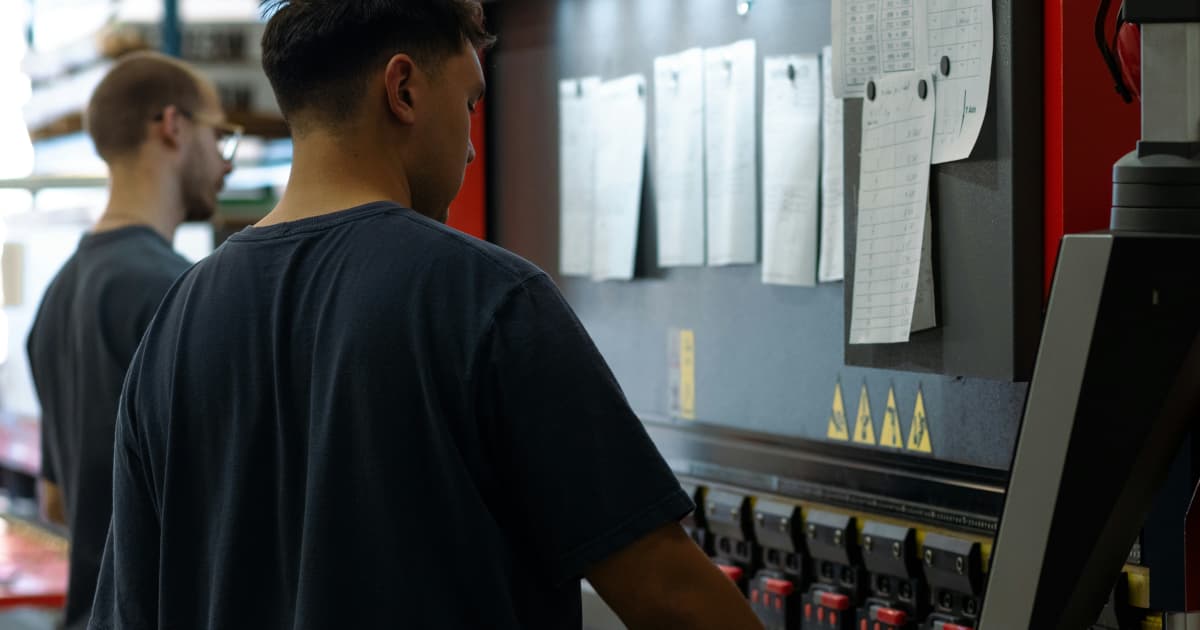
Ford Motor Company has acknowledged that experienced engineers remain essential to its manufacturing process after artificial intelligence failed to deliver the level of quality the company expected on its own. The automaker has brought back more than 300 seasoned quality specialists in recent years, recognizing that human expertise continues to play a critical role alongside advanced technology.
The decision highlights the limitations of AI in complex manufacturing environments, where nuanced decision-making and domain knowledge are often required. While AI can automate many tasks, Ford's experience suggests that it cannot fully replace human judgment—especially when it comes to quality control. The rehired specialists are expected to work alongside AI systems to ensure that production meets stringent standards.
This development carries significant implications for the broader business and technology landscape. Companies investing heavily in AI for manufacturing and quality assurance may need to recalibrate their expectations. The notion of a fully automated factory floor may be further off than some proponents suggest. Ford's move signals that a hybrid approach—combining human expertise with AI tools—may be the most effective path forward.
Other firms exploring similar technologies, such as Datavault AI Inc. (NASDAQ: DVLT), are likely watching these developments closely. Datavault AI specializes in AI-driven data solutions and could face analogous challenges in deploying AI for high-reliability applications. The experience of industry giants like Ford provides a cautionary tale about the importance of maintaining human oversight.
For business leaders, the takeaway is clear: AI is a powerful tool but not a panacea. Investments in AI should be complemented by investments in human capital. The most successful implementations will likely be those that leverage the strengths of both humans and machines. Ford's decision to rehire experienced engineers underscores the value of domain expertise that cannot be easily codified into algorithms.
From an industry perspective, this news may prompt other manufacturers to reevaluate their automation strategies. Quality control remains a critical differentiator in competitive markets, and any compromise in quality can have costly repercussions. The automotive industry, in particular, operates under tight tolerances where defects can lead to recalls, safety issues, and reputational damage. Ford's pragmatic approach may become a model for others seeking to balance innovation with reliability.
In the broader context of AI adoption, Ford's experience serves as a reminder that the technology is still evolving. While AI continues to advance rapidly, its application in mission-critical areas requires careful validation. The rehiring of engineers is not a retreat from automation but a strategic acknowledgment that humans and machines work best together.
This article is based on information from AINewsWire. For more details, visit AINewsWire.com.
