

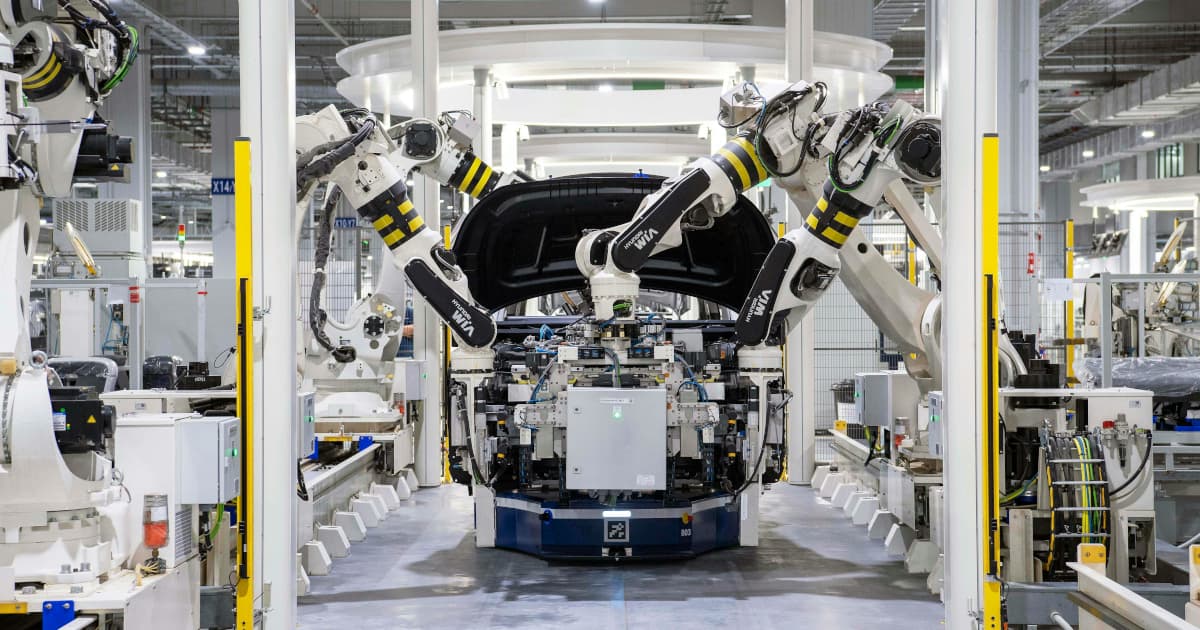
Industrial robotics is experiencing unprecedented growth, with global installations reaching 542,000 units in 2024 and the market value of those systems hitting a record $16.7 billion, according to the International Federation of Robotics (IFR). This surge comes as labor shortages deepen worldwide, prompting industries to accelerate automation adoption. TechForce Robotics, operating under Nightfood Holdings Inc. (OTCQB: NGTF), is strategically aligning with this trend through a recently announced letter of intent with Singapore-based NBR Intelligence Pte. Ltd. for a factory automation initiative with a nonbinding planning target of approximately 5,000 robotic systems, beginning with five pilot units targeted to be operational within 120 days.
The IFR data underscores the accelerating shift toward automation across manufacturing and other sectors. The record installations reflect a growing reliance on robotics to address labor gaps, improve efficiency, and maintain competitiveness. For business leaders, this trend signals a critical juncture: companies that fail to integrate automation risk falling behind in productivity and cost-effectiveness. The implications are vast, potentially reshaping supply chains, workforce dynamics, and global manufacturing landscapes.
TechForce Robotics is positioning itself as a key player in this transformation. The company focuses on AI-driven robotics, enterprise automation, hospitality automation, pharmaceutical automation, and advanced-technology commercialization. Through strategic acquisitions, partnerships, and technology-development initiatives, TechForce is building a diversified automation platform serving multiple high-growth industries. The proposed partnership with NBR Intelligence, if realized, could significantly expand TechForce’s footprint in industrial automation, aligning with the market’s upward trajectory.
The letter of intent outlines a planning target of approximately 5,000 robotic systems, a scale that would mark a substantial operation. The initial phase involves five pilot units, which, once operational, would demonstrate the feasibility and effectiveness of the collaboration. This staged approach allows for validation before scaling, reducing risk and ensuring quality. For industry observers, this initiative highlights the growing confidence in robotics as a solution to persistent labor shortages, which have been exacerbated by aging workforces and shifting labor market preferences.
The significance of these developments extends beyond individual companies. As industrial robot installations reach new highs, the competitive dynamics across sectors are changing. Companies that leverage automation can achieve higher output with lower labor costs, a decisive advantage in a tight labor market. For leaders, the message is clear: automation is no longer optional but essential for resilience and growth. The record $16.7 billion market value is a testament to the scale of investment and the strategic importance of robotics in modern industry.
TechForce Robotics’ focus areas include hospitality and pharmaceutical automation, which are particularly relevant as these industries face unique labor challenges. In hospitality, automation can enhance guest experiences and operational efficiency, while in pharmaceuticals, precision and compliance are paramount. By targeting these niches, TechForce aims to deliver tailored solutions that address specific industry pain points. The company’s broader mission of advanced-technology commercialization suggests a commitment to bringing cutting-edge innovations to market, potentially catalyzing further adoption across sectors.
As the world grapples with labor shortages and the need for increased productivity, the role of robotics will only grow. The IFR’s report serves as a benchmark for the industry’s momentum, and TechForce’s initiative with NBR Intelligence represents a concrete step toward capturing this opportunity. For investors and industry leaders, monitoring such developments is crucial to understanding the future of work and production. The next few months will be telling as TechForce aims to operationalize the pilot units, setting the stage for a possible large-scale deployment that could reshape its operations and impact the broader automation landscape.
