

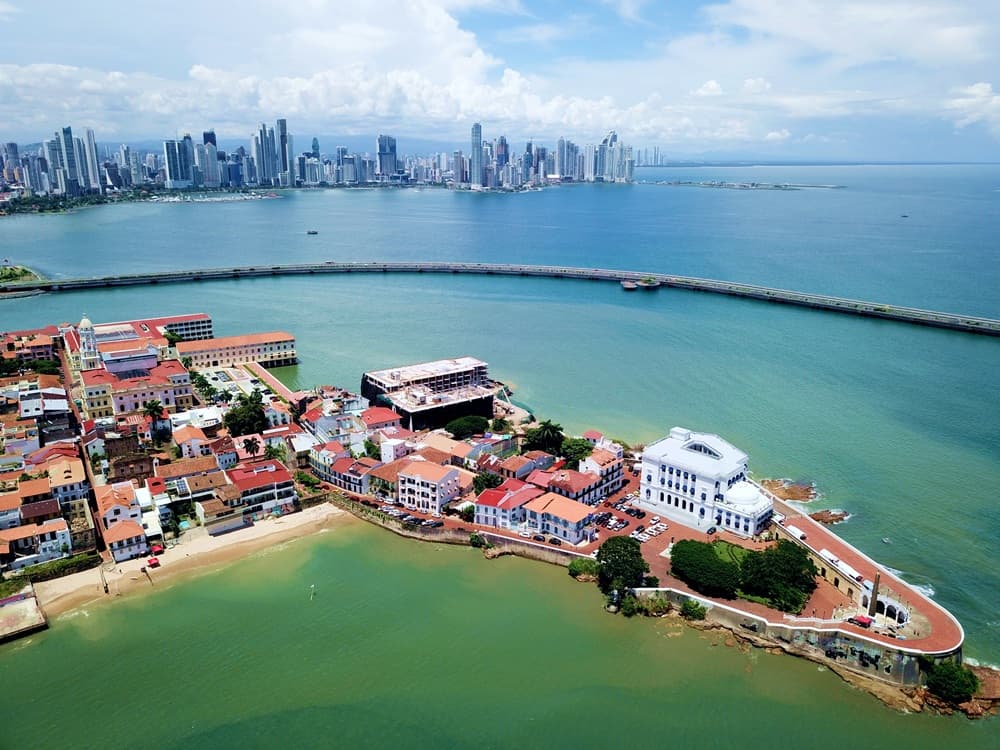
American investors researching Panama often arrive with expectations shaped by Caribbean resort markets, only to find a very different reality on the ground. The gap between preconception and actual experience has become a recurring theme in organized investor tours, as highlighted by the second annual Invest Panama Summit held in May 2026. According to Ashley Luther, COO and Managing Broker at CHORD Real Estate, even investors who had studied photos and videos were caught off guard by Panama City's polish and cosmopolitan character. 'Attendees often describe Panama as more polished and more cosmopolitan than they were prepared for,' Luther noted, emphasizing that this reaction occurs before they even tour the developments they came to evaluate.
The disconnect stems partly from Panama's limited international tourism marketing. Unlike Costa Rica or many Caribbean nations that built their reputations on visitor experiences, Panama's economic identity has long been anchored by the Panama Canal, its banking sector, and its role as a regional business hub. This commercial foundation distinguishes Panama from tourism-dependent markets, providing a stable housing demand driven by professionals rather than seasonal visitors. With more than 80 international banks and over 180 multinational regional headquarters, including companies like Dell and Caterpillar, Panama's economy is less vulnerable to tourism downturns, as evidenced during the COVID-19 pandemic.
For investors, this fundamental difference matters. Rental demand in Panama City is fueled by expatriate employees of multinationals, international bankers, and remote workers attracted by the country's time zone, connectivity, and dollarized economy. This creates a more consistent and resilient investment environment compared to resort-centric markets.
Summit participants, who came from various U.S. states and Canada with diverse objectives—ranging from pure returns to residency options—found that Panama offers a broad spectrum of opportunities. Projects span from urban high-rises in established business districts to beachfront developments on the Pacific coast, catering to different risk profiles and lifestyle preferences. Those considering residency noted that the current qualifying investment threshold of $300,000 in real estate is scheduled to rise to $500,000 in October 2026, adding a sense of urgency to their decisions.
Beyond financial metrics, the summit provided intangible value: clarity. As one CHORD principal summarized, 'Investors came curious, and they left with clarity.' This clarity is often the most significant outcome of on-the-ground research, as it transforms abstract numbers into a tangible understanding of whether Panama is a market worth participating in.
For business leaders and investors, the takeaway is clear: Panama's development story is not about tourism but about commerce. Its infrastructure, banking sector, and multinational presence position it as a stable and sophisticated market that may defy initial expectations. As the investment landscape evolves, particularly with the upcoming threshold change, understanding this reality is crucial for making informed decisions.
