

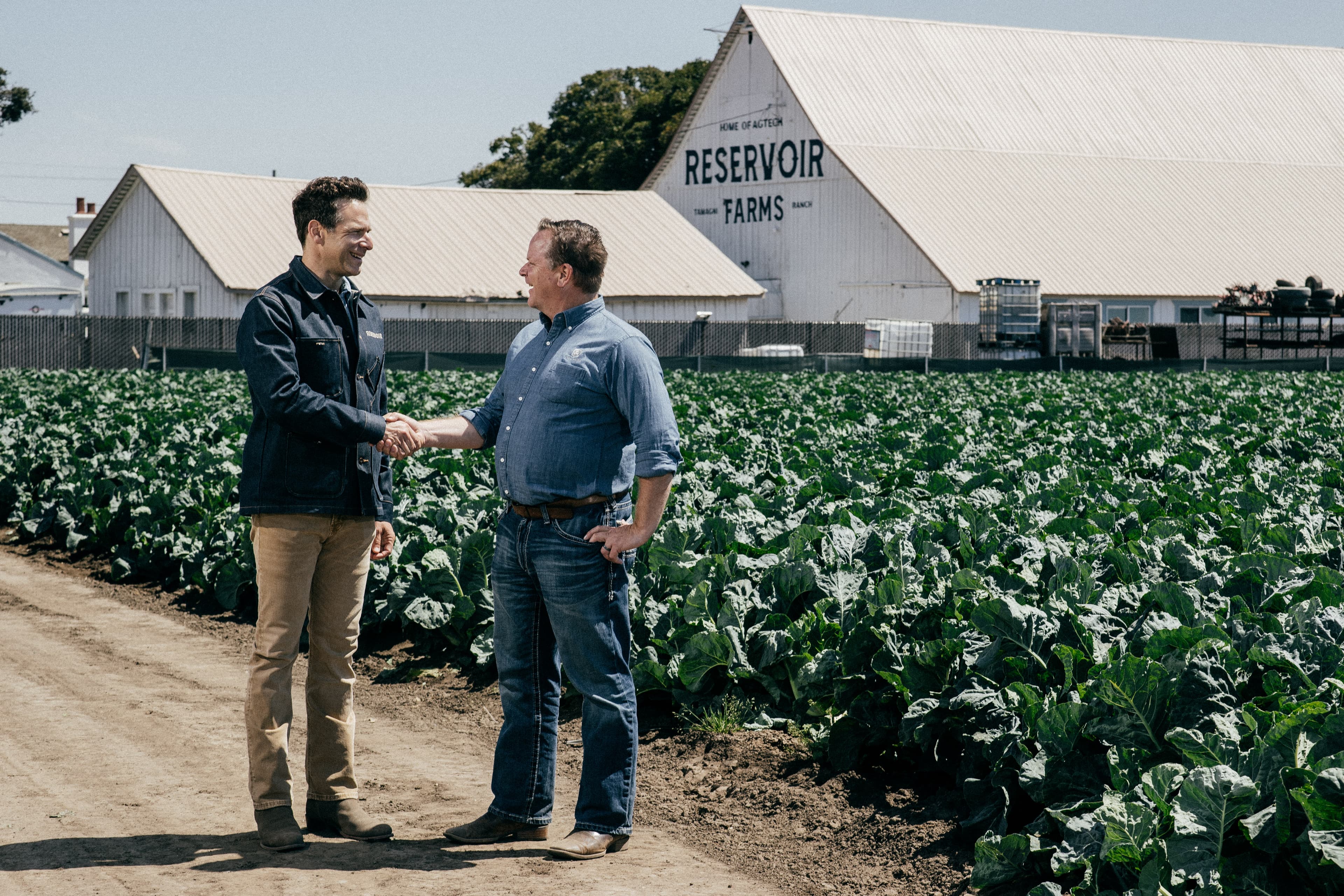
At its inaugural Ruggedize conference, Reservoir announced a $10 million, three-year research and development partnership with John Deere to accelerate the real-world development and commercialization of rugged AI technologies for high-value crop agriculture. The collaboration underscores a growing trend of bringing advanced artificial intelligence to outdoor and agricultural environments, where conditions are far less controlled than in traditional tech settings.
Reservoir, a technical community and new rural institution, combines an agricultural innovation platform with a venture capital fund to advance the impact of rugged AI in critical industries, especially agriculture. The partnership with John Deere, a global leader in agricultural machinery, is set to drive innovation in specialty crops, which include fruits, vegetables, nuts, and other high-value produce. These crops often require precise, labor-intensive care, making them ideal candidates for AI-driven automation and robotics.
Since opening its Salinas and Sonoma sites in spring 2026, Reservoir Farms, the world's first on-farm robotics innovation centers, have already welcomed more than 20 agricultural startups. This early traction highlights the viability of Reservoir's field-based model, which provides startups with direct access to growers, farm operations, and industry partners. The new partnership with John Deere is expected to further enhance these opportunities, linking deep-tech engineers with the practical realities of farming.
The implications of this partnership extend beyond the companies involved. For the agriculture industry, the integration of rugged AI could lead to increased efficiency, reduced labor costs, and more sustainable farming practices. By developing technologies that can withstand harsh outdoor conditions, these innovations may also find applications in other sectors, such as construction, mining, and logistics, where rugged AI is equally critical.
Moreover, the partnership aligns with broader efforts to revitalize rural communities. Reservoir's expansion plans include key agricultural regions across California, Arizona, and other states, aiming to connect entrepreneurs and engineers with growers in areas that have traditionally been underserved by tech innovation. This could spur economic development and create new job opportunities in rural areas.
For business leaders, this partnership signals a significant investment in AI for agriculture, a sector that is increasingly turning to technology to address challenges such as labor shortages, climate change, and food security. The collaboration between a specialized innovation hub like Reservoir and an established industry player like John Deere could accelerate the time-to-market for new AI-driven agricultural tools.
Reservoir's venture capital fund, Reservoir VC, backs startups solving real problems in specialty crops, with the potential to compound to other outdoor industries. This investment approach, combined with the new partnership, positions Reservoir as a key player in the rugged AI ecosystem. As the partnership unfolds over the next three years, stakeholders will be watching closely to see how these technologies evolve and what impact they will have on the future of farming.
