

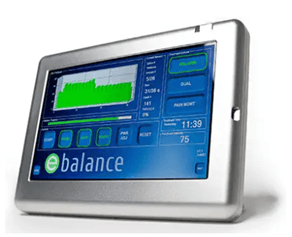
Stonegate Capital Partners announced on May 15, 2026, that it has initiated coverage on StimCell Energetics Inc. (STME), a company focused on a single core platform called eBalance. According to the announcement, StimCell is dedicated to the discovery, development, and commercialization of therapeutic and non-therapeutic products promoting general wellness, with the current emphasis on redesigning eBalance into a compact consumer unit optimized for home use.
The initiation of coverage by Stonegate, a leading capital markets advisory firm, signals growing investor interest in StimCell's focused approach. Rather than managing a broad portfolio, the company is concentrating its resources on advancing one platform, which could streamline development and reduce complexity. However, this also concentrates risk on the successful commercialization of eBalance.
Stonegate's key takeaways highlight that the near-term investment case for STME hinges on completing the home-use redesign and preparing for commercialization. The product narrative is built around non-invasive microcurrent stimulation and biofeedback, which could create value if eBalance is validated as both a wellness device and a tool for monitoring the body's response. Early company-reported data and new mechanistic research are encouraging but still preliminary, making further validation critical to investor confidence and long-term adoption.
For industry observers, this coverage underscores the potential of microcurrent technology in the wellness sector. If eBalance successfully enters the home market, it could position StimCell in a growing niche of at-home biofeedback and stimulation devices, competing with other wellness wearables and therapeutic gadgets. The success of such devices often depends on clinical validation and user adoption, both of which StimCell is currently pursuing.
Stonegate Capital Partners provides investor relations, equity research, and institutional investor outreach services, while its affiliate Stonegate Capital Markets offers investment banking and capital raising. The initiation of coverage may lead to increased visibility and potentially attract more investors to STME, impacting the company's stock liquidity and valuation.
For leaders in business and technology, the implications are twofold. First, it highlights the trend of single-product companies targeting niche wellness markets with advanced technology. Second, it demonstrates how capital markets firms can shape narrative and investor perception around emerging tech. As StimCell advances its home-use redesign, stakeholders will watch for further validation studies and commercialization milestones that could either solidify the company's position or reveal challenges in scaling a focused product strategy.
