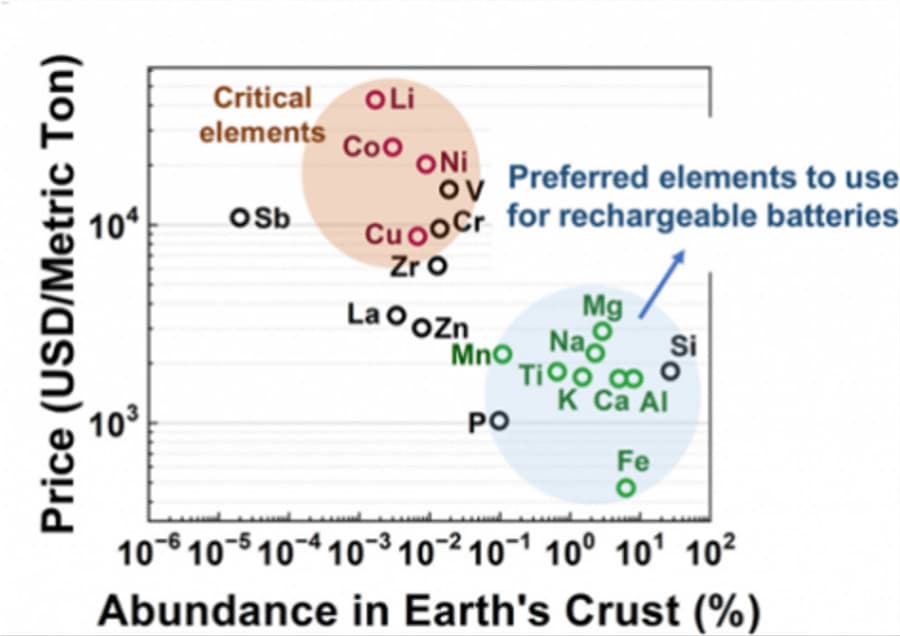
The surge in demand for electric vehicles (EVs) and portable electronics has spotlighted the limitations of traditional lithium-ion batteries, prompting scientists to explore sustainable alternatives. A study published in eScience on January 12, 2024, by researchers from Lawrence Berkeley National Laboratory and Stevens Institute of Technology, sheds light on the potential of non-lithium-ion batteries, including sodium, potassium, magnesium, and calcium-ion technologies. These alternatives are seen as crucial for developing more sustainable and cost-effective energy storage solutions amidst the finite nature of lithium, cobalt, and nickel resources.
Sodium-ion batteries are emerging as a leading alternative, particularly for grid systems and mid-range EVs, due to their cost-effectiveness and suitability for large-scale applications. Similarly, potassium-ion batteries, despite their larger ionic size, offer promising low-cost solutions for microgrids and backup power systems. Magnesium-ion batteries, with their higher volumetric capacity and resistance to dendrite formation, present an exciting avenue for high-energy-density applications, though current polarization issues necessitate further research. Calcium-ion batteries also show impressive energy density potential but require advancements in electrode-electrolyte stability for practical use.
Prof. Haegyeom Kim, a prominent researcher in the study, highlights the significance of these technologies in diversifying energy storage options beyond traditional applications. The potential extends to personal mobility devices, such as e-scooters and bicycles, indicating a broad impact across various sectors. This shift towards alternative battery technologies is not merely scientific but a vital response to global energy challenges, aiming to reduce dependence on scarce and geographically concentrated resources.
The implications of this research are profound, offering a pathway to more secure and environmentally friendly energy storage solutions. As the world moves towards cleaner energy, the development of these battery alternatives could revolutionize transportation and grid-scale energy storage, among other sectors. Despite the hurdles in commercialization, the progress in non-lithium-ion battery research marks a significant stride towards sustainability, promising to meet the growing energy storage demands while alleviating environmental concerns tied to lithium-ion technology.